

Content Distribution Strategies Across Digital Platforms Highlight Evolving Role of Multi-Channel Publishing
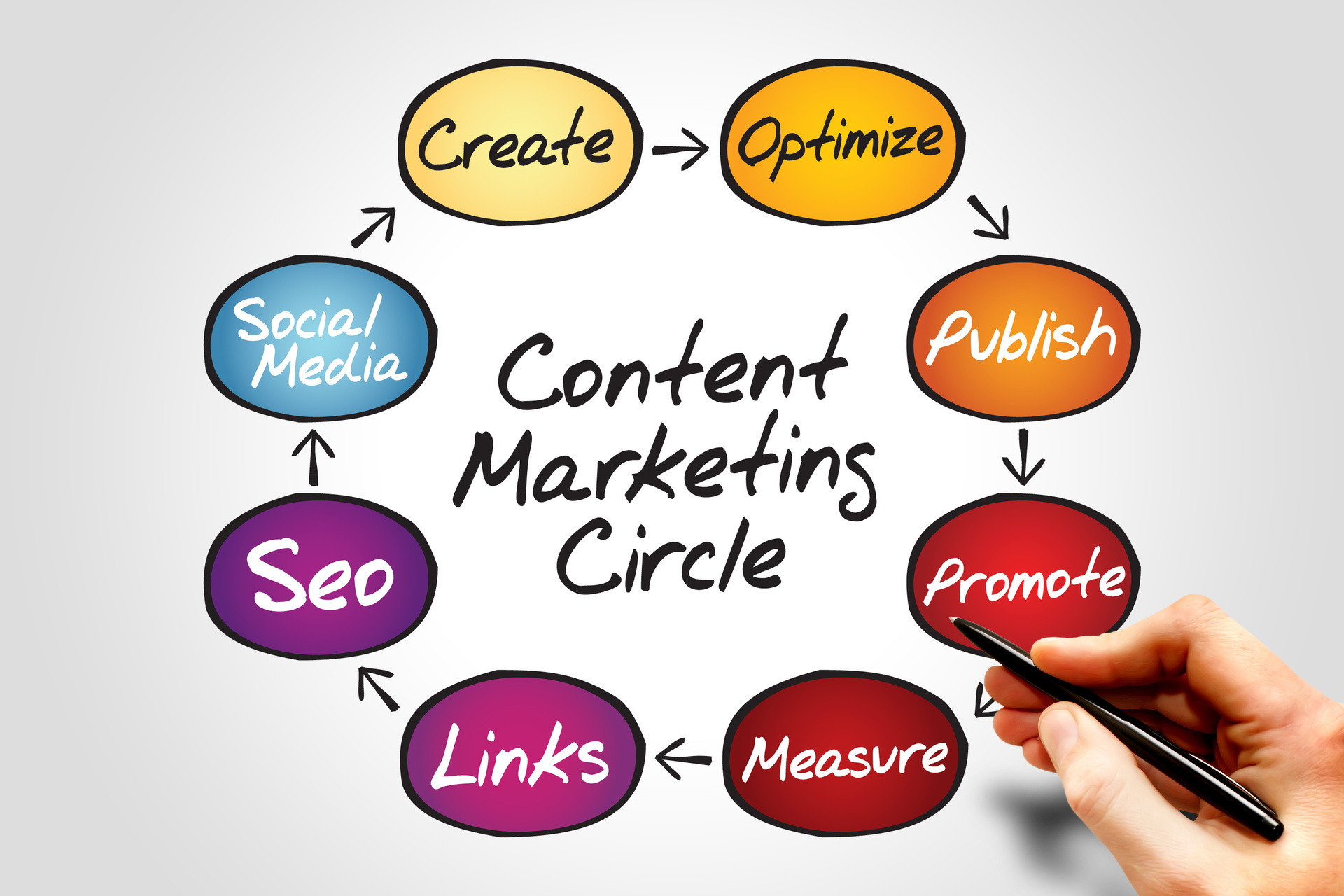

Content distribution is no longer limited to a single website or platform. Information moves across press releases, blogs, backlinks, and social media in a connected system. ”
NEW ORLEANS, LA, UNITED STATES, April 10, 2026 /EINPresswire.com/ -- — Brett Thomas
Content distribution across digital platforms continues to play a central role in how businesses present information, maintain visibility, and establish structured communication with online audiences. As digital ecosystems expand, organizations are evaluating how content flows between websites, press releases, blogs, backlinks, and social media channels to create cohesive informational frameworks.
Distribution no longer centers on a single platform. Instead, it involves coordinated placement of content across multiple channels, each serving a specific function. Press releases, for example, are often used to introduce structured information in a format recognized by media outlets and search engines. These releases provide consistent documentation of business activity while contributing to broader content visibility.
Blogging remains another foundational element. Blog content allows businesses to expand on topics, provide detailed explanations, and address questions that arise within their industries. When organized effectively, blog articles support long-term content strategies by creating a library of information that can be referenced and linked across platforms.
Backlinks continue to influence how content is interpreted and indexed. When content is distributed through press releases or external publications, links pointing back to a primary website help establish relationships between sources. These connections assist search engines in understanding the relevance and context of information, while also guiding users back to central content hubs.
Social media platforms contribute a different layer to distribution strategies. Content shared through social channels often serves as an entry point, directing attention toward longer-form materials such as blog posts or press releases. The format of social content varies widely, ranging from short updates to visual media, but its role in initiating engagement remains consistent.
Content distribution also involves timing and sequencing. Information released simultaneously across all platforms may not achieve the same effect as a structured rollout. Staggered publishing allows each piece of content to reinforce others, creating a network of references that extends the lifespan of a single topic.
Search engines increasingly evaluate how content appears across platforms. Consistency in messaging, structure, and terminology contributes to clearer indexing. When information is aligned across press releases, blogs, and external references, it forms a more coherent digital presence.
Another consideration is content adaptation. A single topic may be presented differently depending on the platform. A press release may focus on factual structure, while a blog post may explore context and explanation. Social media may highlight key points in a condensed format. This layered approach allows the same subject to reach audiences in multiple ways without redundancy.
Content distribution also supports topical authority. When multiple pieces of content address related subjects and reference one another, they create a network that reinforces subject matter relevance. This interconnected structure can influence how search engines interpret expertise within a specific field.
Measurement plays an important role in distribution strategies. Digital tools allow businesses to track how content performs across platforms, including engagement levels, referral traffic, and interaction patterns. These insights guide adjustments in placement, format, and frequency.
Brett Thomas, owner of Jambalaya Marketing in New Orleans, discussed how multi-channel distribution shapes modern content strategies.
“Content distribution is no longer limited to a single website or platform. Information moves across press releases, blogs, backlinks, and social media in a connected system. Each channel supports the others, creating a structure that helps both users and search engines understand how content fits together.”
The relationship between platforms continues to evolve as new technologies emerge. Automation tools assist in scheduling and publishing, while analytics platforms provide feedback on performance. These systems contribute to a more structured approach to distribution, reducing manual effort while maintaining consistency.
Industry-specific considerations also influence distribution methods. Businesses in healthcare, construction, legal services, and retail may prioritize different platforms based on audience behavior and regulatory requirements. Content must be structured in a way that aligns with these factors while maintaining clarity.
Mobile usage remains a significant factor. Content distributed across platforms must be accessible and readable on smaller screens. This affects formatting, length, and presentation, particularly for social media and blog content.
Content lifecycle management is another aspect of distribution. Older content can be updated, repurposed, or redistributed to maintain relevance. Press releases may be referenced in later blog posts, while blog content may be adapted for social media or external publications.
The integration of backlinks into distribution strategies continues to influence how content is connected. Links embedded within press releases, blog posts, and external articles create pathways that guide users through related information. This interconnected structure contributes to both navigation and search engine interpretation.
Consistency across platforms remains essential. Variations in messaging or structure can create confusion, both for users and for search engines attempting to interpret content relationships. Maintaining alignment ensures that each piece of content supports the overall framework.
As digital platforms continue to expand, content distribution strategies are expected to adapt accordingly. The coordination of press releases, blogs, backlinks, and social media reflects a broader shift toward integrated communication systems. These systems emphasize structure, consistency, and connectivity across all forms of digital content.
Content distribution has become a foundational element of online presence. Rather than functioning as isolated efforts, individual pieces of content now operate within a network of platforms that collectively shape how information is presented, discovered, and understood.
Morgan Thomas
Rhino Digital, LLC
+1 504-875-5036
email us here
Visit us on social media:
Facebook
Legal Disclaimer:
EIN Presswire provides this news content "as is" without warranty of any kind. We do not accept any responsibility or liability for the accuracy, content, images, videos, licenses, completeness, legality, or reliability of the information contained in this article. If you have any complaints or copyright issues related to this article, kindly contact the author above.
